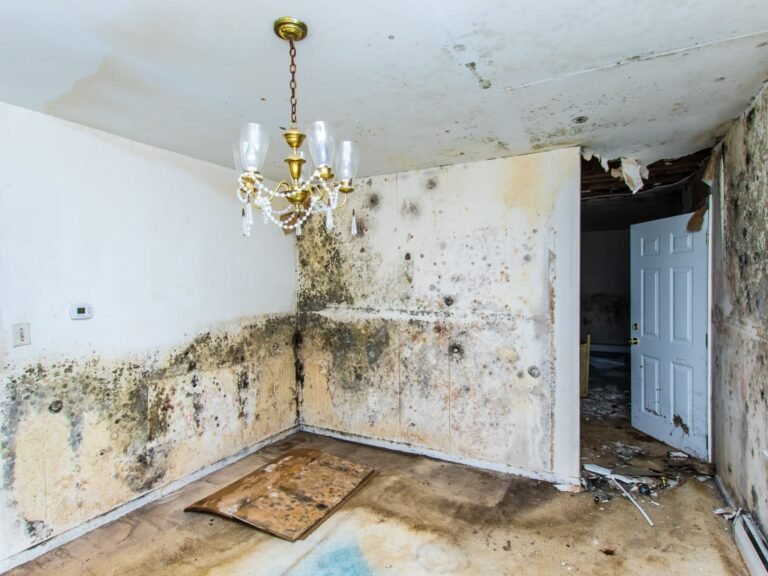

Water damage might not seem urgent at first. A little leak here, some wet carpet there, no big deal, right? Not quite. Water damage is a sneaky culprit, and before you know it, mold starts creeping into your home like an uninvited guest.
Mold can begin growing in as little as 24 to 48 hours after water exposure. That’s why fast, professional water remediation is the secret weapon homeowners in Salt Lake City, UT need to prevent long-term mold issues.
Acting quickly can save your home from costly repairs, protect your family’s health, and maintain your property’s value. Let’s explore how water remediation works and why it’s your best line of defense against mold.
Understanding Water Remediation
What Is Water Remediation?
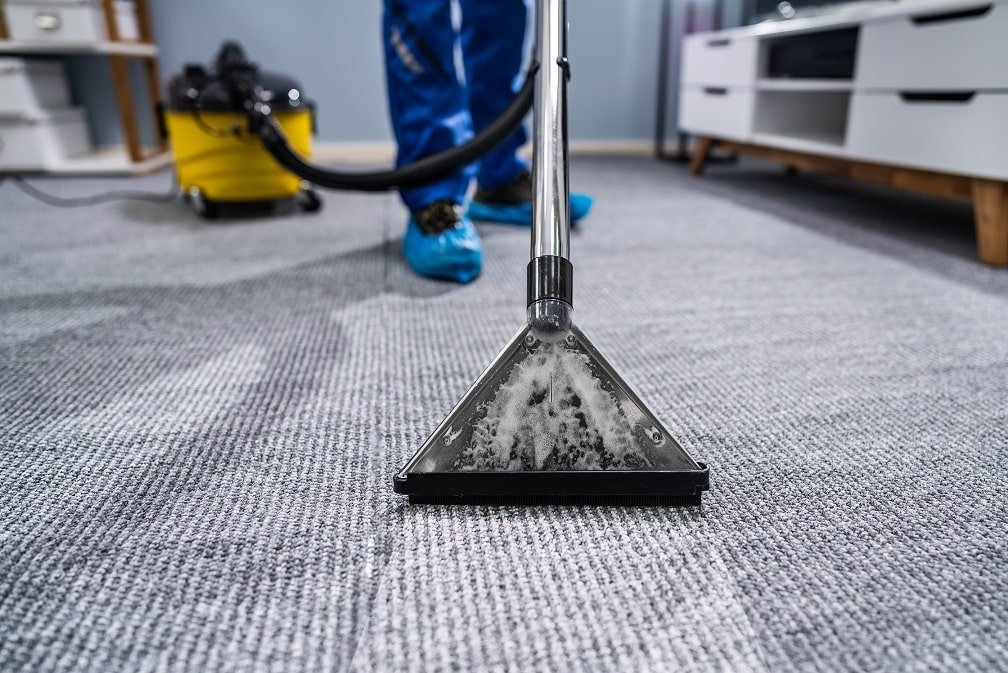
Water remediation is the process of cleaning, drying, and restoring areas affected by water damage. It’s more than mopping up water, it’s about restoring the space to a safe, dry, and mold-free condition. This process often involves a combination of advanced equipment, specialized techniques, and professional expertise.
Water remediation includes inspecting the affected areas, removing standing water, drying surfaces, sanitizing contaminated areas, and repairing or replacing damaged materials. The goal is to stop mold before it starts and prevent secondary damage to your home.
Key Steps in the Water Remediation Process
Water Extraction
The first priority is removing standing water. Industrial vacuums and pumps are used to extract water from floors, carpets, and walls. Prompt water extraction prevents further damage to building materials and reduces the chance of mold growth.
Drying and Dehumidification
Even after visible water is gone, moisture can remain hidden behind walls, under floors, and inside furniture. Dehumidifiers and air movers dry these areas, preventing mold from taking hold. Professionals monitor humidity levels throughout the process to ensure complete dryness.
Cleaning and Sanitizing
Water damage can introduce bacteria and contaminants into your home. Surfaces are cleaned and treated with antimicrobial solutions to kill mold spores and prevent future growth. This step is critical for health safety and maintaining indoor air quality.
Restoration and Repairs
Once everything is dry and sanitized, the damaged parts of your home, such as drywall, flooring, or cabinets, can be repaired or replaced. Restoration ensures your home returns to a safe and habitable condition without lingering moisture problems.
How Water Damage Leads to Mold Growth
The Ideal Conditions for Mold to Thrive
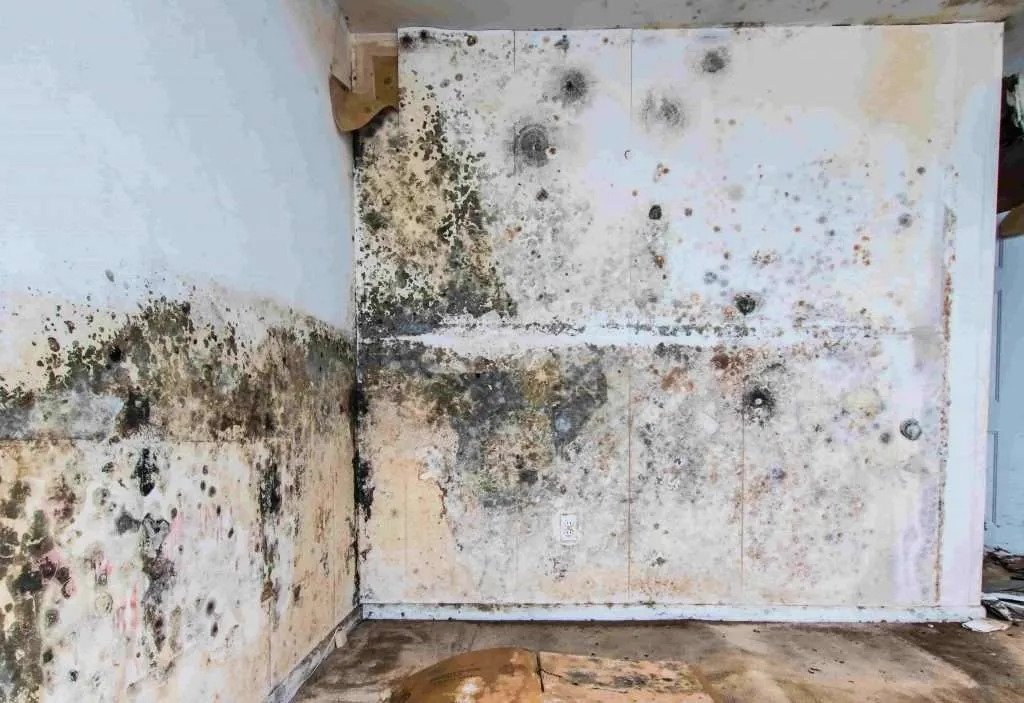
Mold thrives in moist, warm, and nutrient-rich environments. Wet materials like drywall, carpet, or wood provide the perfect breeding ground. Mold spores are everywhere in the environment, and once moisture is present, they can multiply quickly.
How Fast Mold Can Grow After Water Exposure
Mold can start to grow within 24 to 48 hours after water exposure. If water damage isn’t addressed promptly, mold colonies can spread rapidly, making cleanup more difficult and costly. Early remediation is essential to prevent widespread growth.
Common Areas Where Mold Hides After Water Damage
- Behind drywall
- Under carpeting and padding
- Inside HVAC systems
- Beneath cabinets and sinks
- Around window sills and basements
These areas often retain moisture unnoticed, providing a hidden habitat for mold. Professional water remediation uses specialized tools to detect and dry these hard-to-reach spaces.
The Role of Water Remediation in Mold Prevention
Stops Moisture at the Source
Water remediation identifies and addresses the source of water intrusion, whether it’s a leaking pipe, flood, or roof damage. Eliminating the source prevents mold from getting the moisture it needs to grow.
Dries Out Hidden Moisture
Infrared moisture detectors and industrial dehumidifiers help professionals locate and dry hidden water pockets behind walls, under floors, and inside crawl spaces. Removing all moisture is crucial to stopping mold before it starts.
Sanitizes and Treats Surfaces to Prevent Spores
Anti-mold treatments and disinfectants are applied to all affected surfaces to neutralize spores and inhibit future growth. Proper sanitization also reduces health risks associated with mold exposure.
Prevents Structural Issues That Can Encourage Mold
Warped floors, cracked drywall, and water-damaged cabinets can create hiding spots for mold. Water remediation restores the structure of your home, making it less susceptible to future mold problems.
Benefits of Acting Fast with Water Remediation
Saves Money on Long-Term Repairs
Immediate water remediation can prevent extensive damage to walls, floors, and furniture. Stopping mold early reduces the need for expensive repairs or full replacements.
Reduces Health Risks
Mold exposure can cause respiratory issues, skin irritation, headaches, and fatigue. Quick remediation ensures a healthier indoor environment, reducing the risk of mold-related health problems.
Prevents Property Value Decline
A home with mold problems loses value and may fail inspections. Proper remediation maintains your property’s value and protects your investment.
Mold Exposure Risks Every Homeowner Should Know
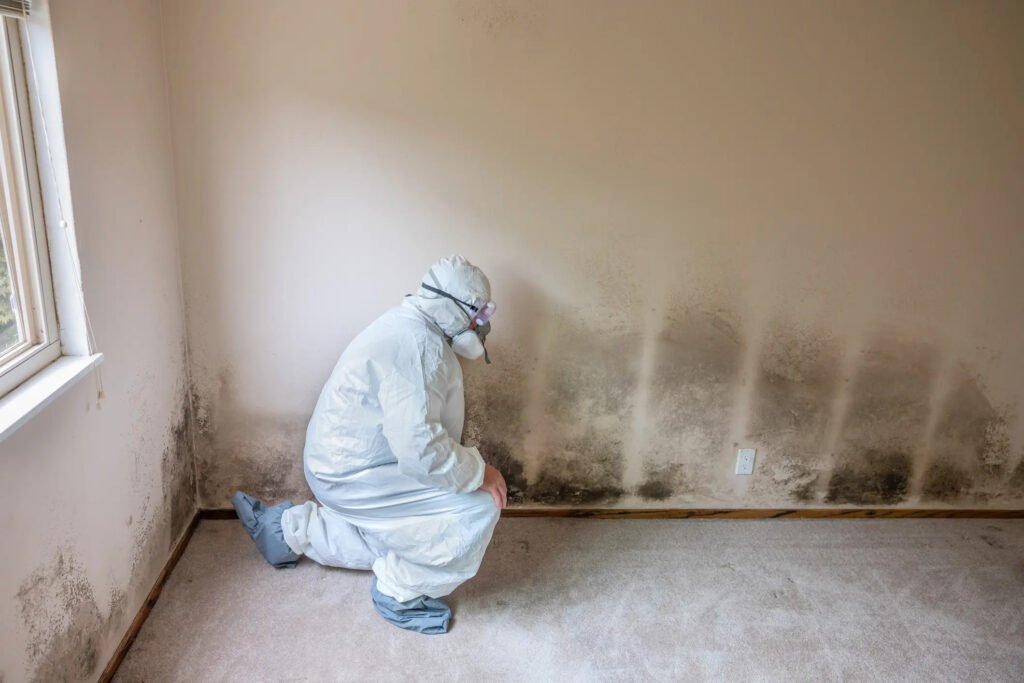
Health Problems Linked to Mold
Mold exposure can lead to:
- Chronic coughing and sneezing
- Eye and skin irritation
- Breathing problems, especially in those with asthma
- Headaches and fatigue
How Mold Affects Indoor Air Quality
Mold spores circulate through the air, entering HVAC systems and making indoor air stale and unhealthy. Proper water remediation helps maintain clean air and reduces allergen exposure.
Signs You Need Water Remediation Immediately
Visual Signs of Water Damage
- Stains or discoloration on walls and ceilings
- Buckled or warped floors
- Crumbling drywall or baseboards
Strange Odors or Musty Smells
A damp, earthy odor often indicates mold growth hidden beneath surfaces.
Increased Allergy Symptoms Indoors
If you experience more allergy symptoms at home than outside, it could be due to unseen mold.
Why DIY Isn’t Enough to Prevent Mold
Hidden Moisture You Can’t Detect
Without professional tools, hidden moisture behind walls or under flooring often goes unnoticed, allowing mold to grow.
Inadequate Equipment and Techniques
Store-bought fans and dehumidifiers lack the power to fully dry water-damaged areas. Professionals use industrial-grade equipment for thorough remediation.
Risk of Incomplete Remediation
Even a small amount of residual moisture can trigger mold regrowth. Complete remediation requires expertise in water extraction, drying, and sanitization.
Why Choose Salt Lake City Damage Restoration Pros
Fast Response in Salt Lake City, UT
Our local team understands the urgency of water damage and responds quickly, often within the hour, to minimize mold growth and property damage.
Local Experts Who Understand Utah’s Climate
Utah’s dry climate might fool homeowners, but indoor water damage creates ideal conditions for mold regardless of weather.
Complete Mold and Water Remediation Services
From leak detection to structural drying and full restoration, our team provides end-to-end solutions so you don’t need multiple contractors.
How We Help Prevent Mold Before It Starts
Comprehensive Inspection and Moisture Detection
High-tech tools locate moisture behind walls, under flooring, and in crawl spaces, ensuring no hidden water is left behind.
Industrial Drying and Dehumidifying Equipment
Heavy-duty drying systems remove all moisture quickly, significantly reducing mold risks.
Antimicrobial Treatments to Kill Mold Spores
We use treatments that kill existing spores and prevent them from returning, protecting your home and family.
Case Study: Water Damage Turned Mold-Free in Salt Lake City
A Sugar House homeowner experienced a pipe burst in the basement. Within 3 hours, our team removed standing water, set up drying systems, and started remediation. Two weeks later, the family returned to a dry, mold-free basement without major reconstruction.
How to Keep Your Home Dry and Mold-Free After Remediation
Tips for Preventing Future Water Damage
- Fix leaks immediately
- Install a sump pump in basements
- Apply waterproof paint in flood-prone areas
Regular Maintenance You Shouldn’t Skip
- Clean gutters and downspouts
- Inspect plumbing for leaks
- Seal windows and doors
Conclusion
Water damage is serious, but mold makes it worse. Professional water remediation stops the problem before it becomes a health and home crisis. In Salt Lake City, UT, rapid response is key.
Salt Lake City Damage Restoration Pros offers fast, reliable water remediation to keep mold far from your home. Protect your family, investment, and peace of mind.
FAQs
What is the difference between water remediation and water mitigation?
Water mitigation reduces or stops water flow, while water remediation cleans, dries, and restores your home after damage.
How soon should I call for water remediation after a flood?
Call immediately. The first 24–48 hours are critical to prevent mold growth.
Can mold come back after remediation?
Not if the job is done correctly. Professionals remove all moisture and treat surfaces to prevent recurrence.
How long does the water remediation process take?
It depends on damage extent, but most homes are fully dried and restored within 3 to 7 days.
Is water remediation covered by insurance?
Many policies cover sudden water damage, like burst pipes or storms. Check with your provider.

Carlos Hernandez is a licensed Damage Restoration Expert with over 20 years of experience restoring safety and comfort to properties affected by disaster. Known for his technical precision and authoritative industry knowledge, Carlos has spent two decades leading complex recovery projects with a focus on structural integrity and environmental health. His deep-rooted expertise makes him a reliable partner for clients navigating the aftermath of unforeseen property damage.
𝗖𝗲𝗿𝘁𝗶𝗳𝗶𝗰𝗮𝘁𝗶𝗼𝗻𝘀: Carlos holds master-level IICRC certifications in Water Damage Restoration (WRT), Mold Remediation (AMRT), Applied Structural Drying (ASD), Odor Control, and Fire and Smoke Restoration.
𝗙𝗮𝘃𝗼𝗿𝗶𝘁𝗲 𝗣𝗮𝘀𝘁𝗶𝗺𝗲: When off the clock, Carlos enjoys classic car restoration and spending time at the beach with his golden retriever.
𝗕𝗲𝘀𝘁 𝗣𝗮𝗿𝘁 𝗼𝗳 𝘁𝗵𝗲 𝗝𝗼𝗯: Carlos finds the greatest fulfillment in providing clarity during chaos. He thrives on the challenge of taking a devastated site and meticulously rebuilding it until the owner’s stress is replaced by peace of mind.